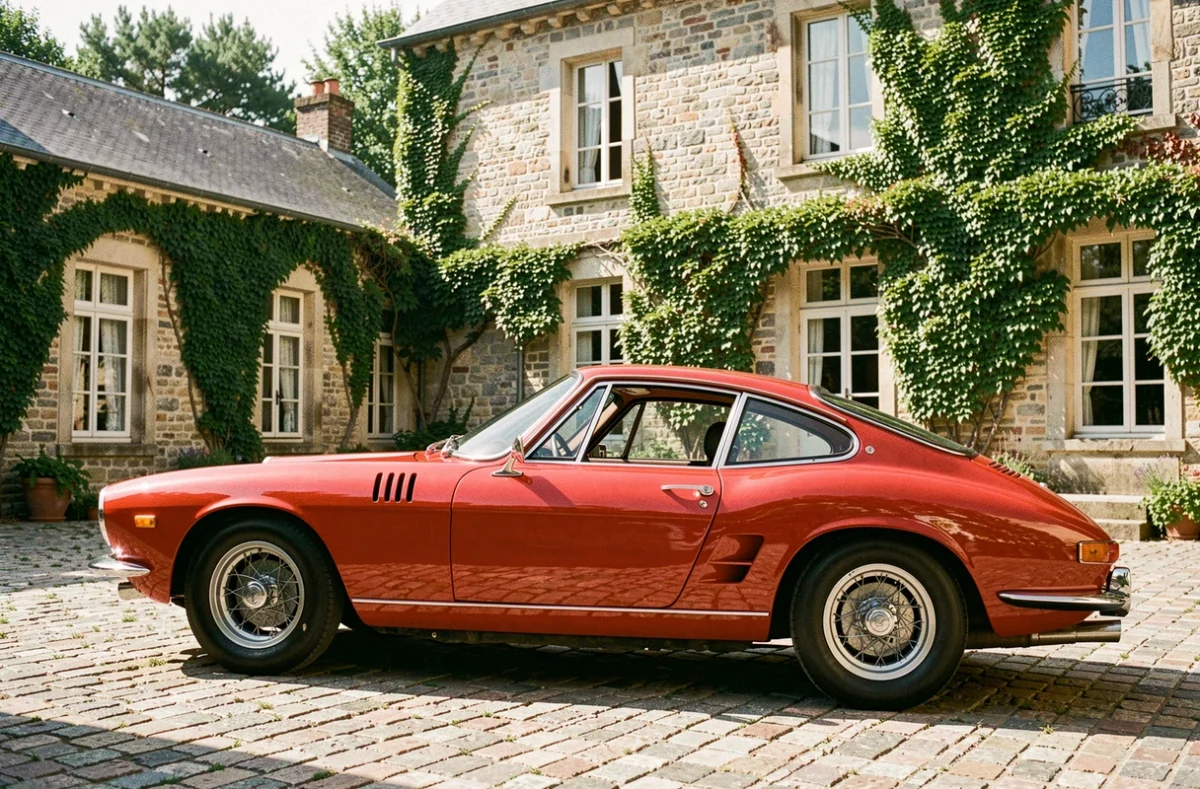
A classic car is not just defined by its age. The administrative status, ZFE constraints, and technical authenticity form a triptych that every buyer must master before signing. Confusing vintage cars with collector cars in the regulatory sense remains the most costly mistake in this market.
Collector’s registration and technical authenticity: the filter that buyers underestimate
The Highway Code conditions access to collector status on three cumulative criteria: the vehicle must be at least thirty years old, no longer in production, and retain its original technical characteristics. A significant transformation, even if aesthetically reversible, can compromise eligibility.
We regularly observe buyers surprised to see their application rejected after installing a later-generation engine or a braking system not compliant with the original type. The FFVE processes the certificates and checks the consistency between the vehicle presented and the manufacturer’s specifications. Without this certificate, there is no collector’s registration with the ANTS.
On the market, listings compiled by specialized platforms like automaniacs.be allow for a quick cross-check of the declared characteristics with reference technical sheets, reducing the risk of acquiring a modified vehicle sold as authentic.
The technical inspection also constitutes a concrete regulatory advantage for collectors. The FFVE presents the applicable rules in its regulatory status updated in 2026, with a periodicity and control points adapted to collector status.
ZFE and vintage cars: local exemptions, not national
The collector status does not guarantee uniform circulation in ZFE. This is the most misunderstood point of the system. The collector’s registration can facilitate access to certain low-emission zones, but exemptions are set locally by each metropolis.
A car over thirty years old kept under normal registration remains subject to Crit’Air constraints and local restrictions. Transitioning to collector’s registration requires a specific process, and the exemption obtained in one urban area does not apply in another.
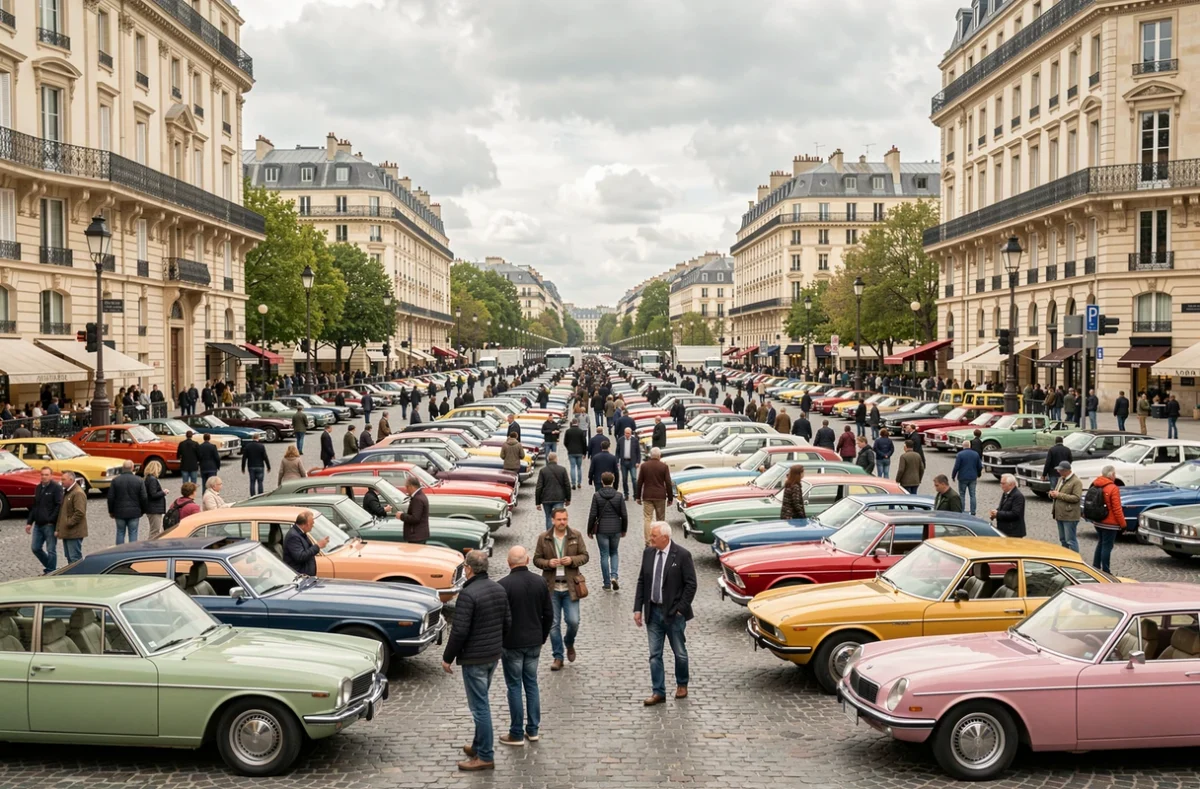
The FFVE reminds that the circulation rules in ZFE must be verified territory by territory. We recommend systematically consulting the municipal or metropolitan decree before any travel in regulated areas, including for a gathering or car show.
Concrete risks for owners not registered as collectors
An owner who keeps their 1960s Jaguar or Aston Martin under classic registration risks being fined in ZFE. The fine is real, and law enforcement does not visually distinguish an exceptional car from an ordinary vintage vehicle without a valid Crit’Air sticker.
Transitioning to collector’s registration provides legal protection, but it imposes daily usage restrictions in return. This status is not designed for primary daily use, and some insurers adjust their coverage accordingly.
Exceptional cars: mechanics, heritage, and patrimonial value
The term “exceptional car” does not cover any administrative category. It refers in common usage to models whose rarity, history, or mechanical performance place them above the standard market for collector cars. A Ferrari produced in a few dozen units, a competition Mercedes with a documented record at Le Mans, a model that belonged to a well-known figure in motorsport: this is what separates collection from exception.
The patrimonial value of these automobiles rests on three verifiable pillars:
- Complete traceability of the history: maintenance logs, restoration invoices, participation in competitions or events. A vehicle without documentation loses a significant part of its value
- Mechanical integrity: a documented original engine is worth more than a rebuilt block, even if the latter offers better performance. Purists and auctioneers first evaluate conformity to type
- Provenance: a model from a referenced collection or presented at classic elegance competitions benefits from a measurable trust premium at resale
Classic mechanics and specialized maintenance
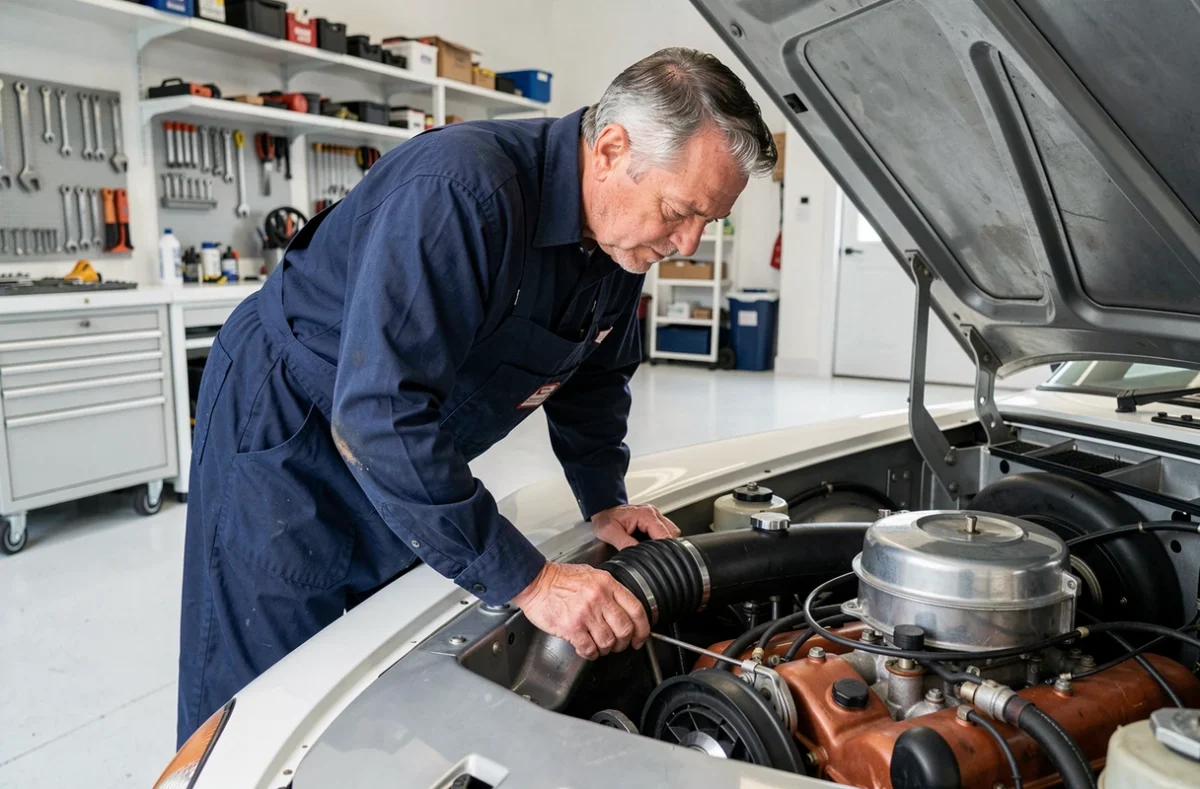
Maintaining an exceptional car requires working with mechanics trained in period techniques. The materials, machining tolerances, and adjustment protocols differ radically from modern automobiles. A 1960s Weber carburetor cannot be adjusted with a diagnostic tool.
The network of competent specialists concentrates around major collector hubs, in Belgium, France, the UK, and Italy. Classic shows and regional gatherings remain the best way to identify these professionals, often recommended by word of mouth rather than listed online.
Automotive investment: what the listings don’t show
The collector car market attracts buyers motivated by the prospect of appreciation. For certain models produced in limited numbers, the upward trend has been confirmed for several years. However, the majority of vintage cars do not increase in value.
High-volume models from the 1970s-1980s, even in good condition, stagnate or decline against maintenance and storage costs. The relevant investment concerns rare, documented examples in impeccable conservation or restoration condition.
Before buying, we recommend checking three often overlooked points:
- The actual availability of spare parts for the targeted model, including body parts and specific seals
- The annual cost of storage in controlled conditions (humidity, temperature), which can represent a budget item as heavy as insurance
- The consistency between the asking price and recent auction results for comparable examples
The exceptional car market remains an information market. Those who have the right data, the right documentation, and the right network of specialists buy better and sell under better conditions. Passion does not exempt one from technical rigor.