Eco-renovation is gaining popularity as more and more homeowners seek to reduce their environmental impact while improving the energy efficiency of their homes. With a multitude of options available, determining the best starting point can be complex. Whether through thermal insulation, the installation of renewable heating systems, or optimizing water consumption, green renovation projects embrace a variety of strategies. Each approach is unique, requiring careful assessment of needs, priorities, and available resources to create a sustainable and comfortable living space.
The first steps towards a successful eco-renovation
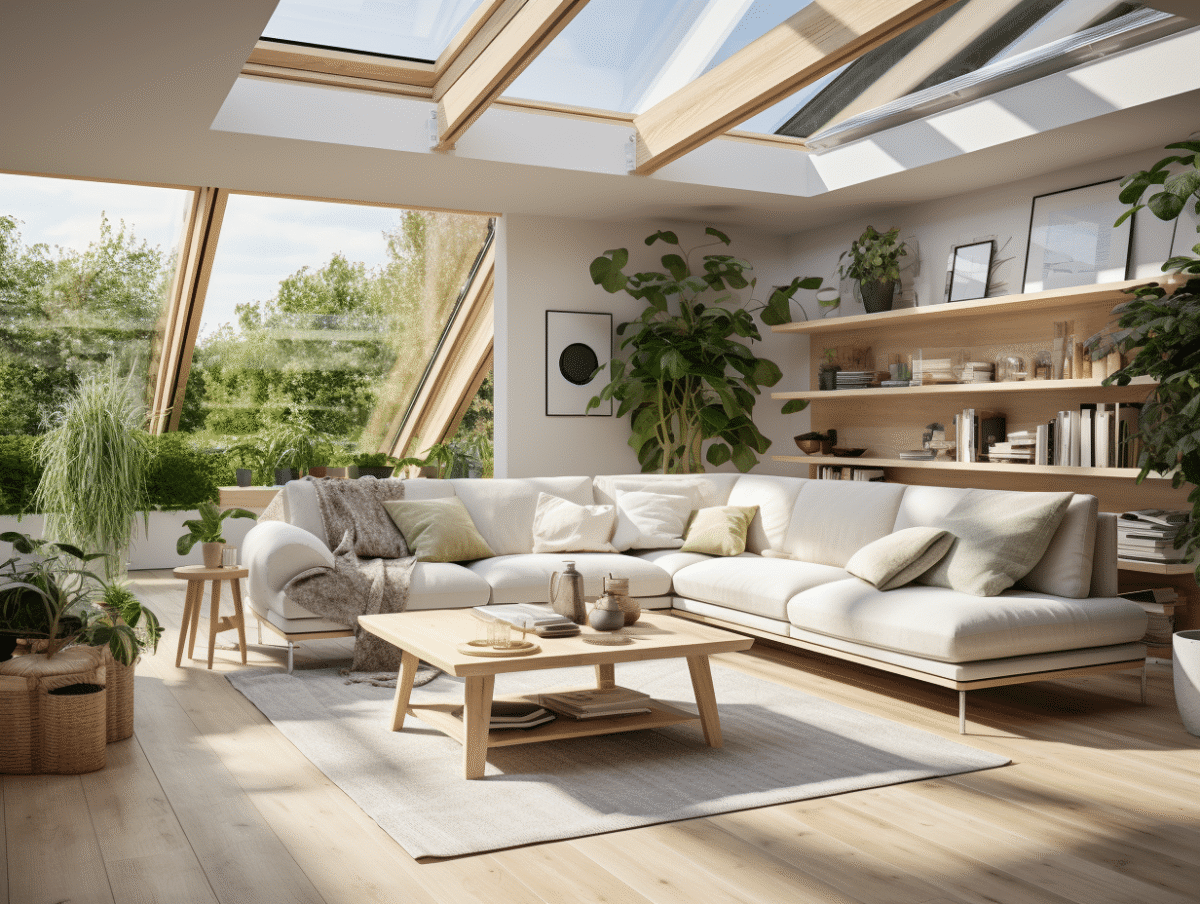
Approaching an eco-renovation project requires careful planning and a thorough understanding of the most strategic interventions. Thermal insulation commonly emerges as the first step in this transformation. Indeed, optimizing the insulation of one’s home with materials such as glass wool, cellulose wadding, or specific insulating panels for convertible attics is a fundamental step to reduce heat loss and thus energy consumption.
The installation of a VMC (Controlled Mechanical Ventilation) is also an essential link to ensure adequate air renewal, thus avoiding humidity problems while maintaining optimal indoor air quality. Aline Archimbaud, a specialist in the field, emphasizes the need to integrate these systems within an environmentally friendly regulatory framework, highlighting the importance of choosing NF certified products to ensure their performance and durability.
The modification of the heating system proves to be a decisive step in the quest for increased energy performance. Transitioning to renewable energies, such as installing a heat pump or setting up a wood stove, marks the pinnacle of the renovation. These changes, often considered at the end of the process, require a significant initial investment but promise long-term returns, both ecologically and financially. Prepare, therefore, to navigate the maze of financial aids, such as those offered by the France Rénov’ scheme, and to familiarize yourself with the eligibility conditions for the reduced VAT or the zero-interest eco-loan.
Keys to choosing the right priorities in eco-renovation
In the quest for reducing energy consumption, the selection of prioritized works must align with long-term goals: financial savings, thermal comfort, and reduction of carbon footprint. It is about combining technical interventions with the expected benefits. Implementing a condensing boiler or a heat pump could prove wise, as these systems are known for their energy efficiency and ability to harness natural resources.
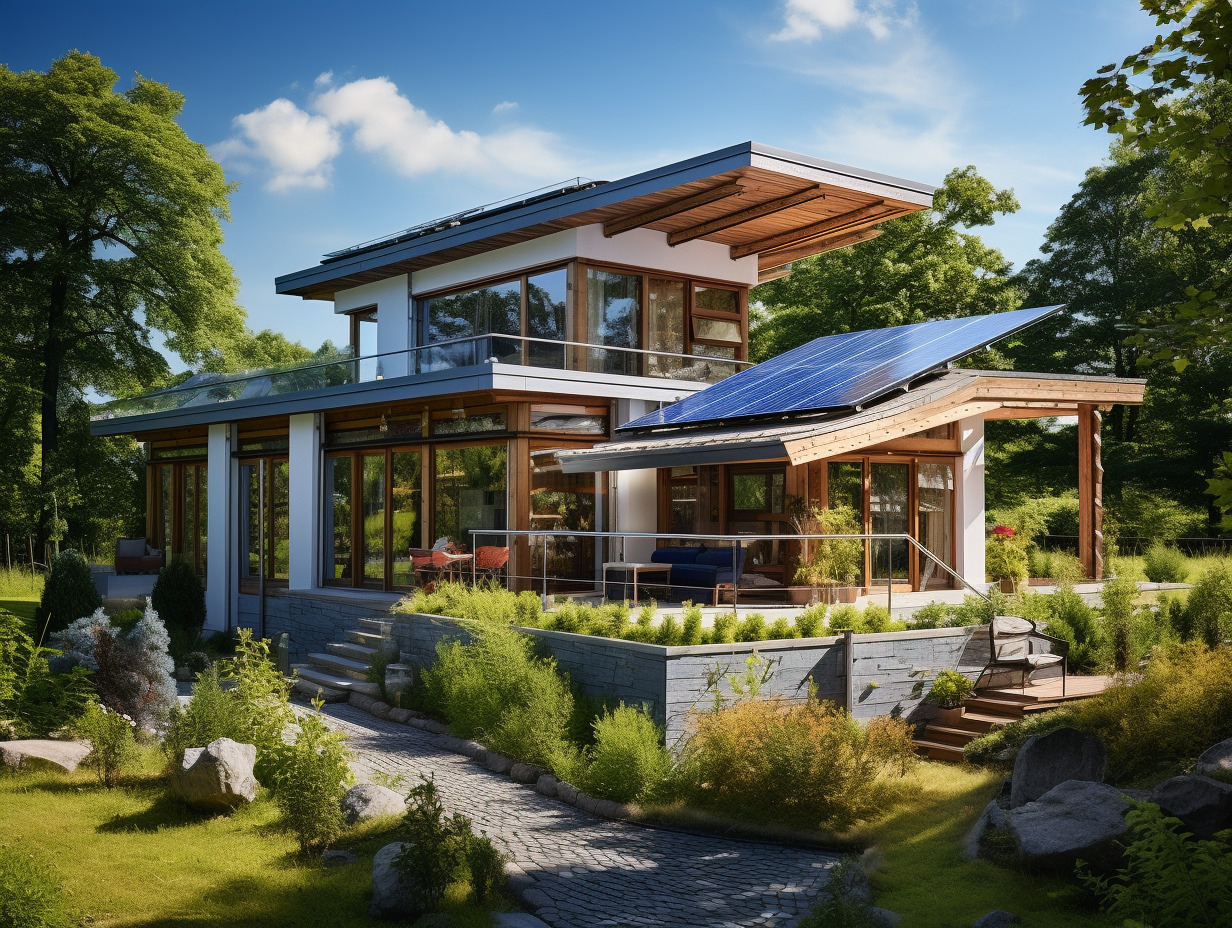
Beyond the purely energy aspect, the eco-refurbishment of a home also impacts its heritage value. The increase in the value of the house stands as a significant decision criterion, encouraging homeowners to invest in works that will make their property more attractive on the market. Installations such as photovoltaic solar panels or a solar water heater are significant assets, both for eco-performance and real estate appeal.
Navigating the labyrinth of financial aids presents itself as an essential step to finance renovation works. The Agency for Ecological Transition (Ademe), along with government schemes, offers financial support such as the tax credit for energy transition, the zero-interest eco-loan, or the environmental guarantee recognition (RGE). These incentives, far from being trivial, significantly reduce initial costs and encourage homeowners to engage in a sustainable and environmentally friendly approach.